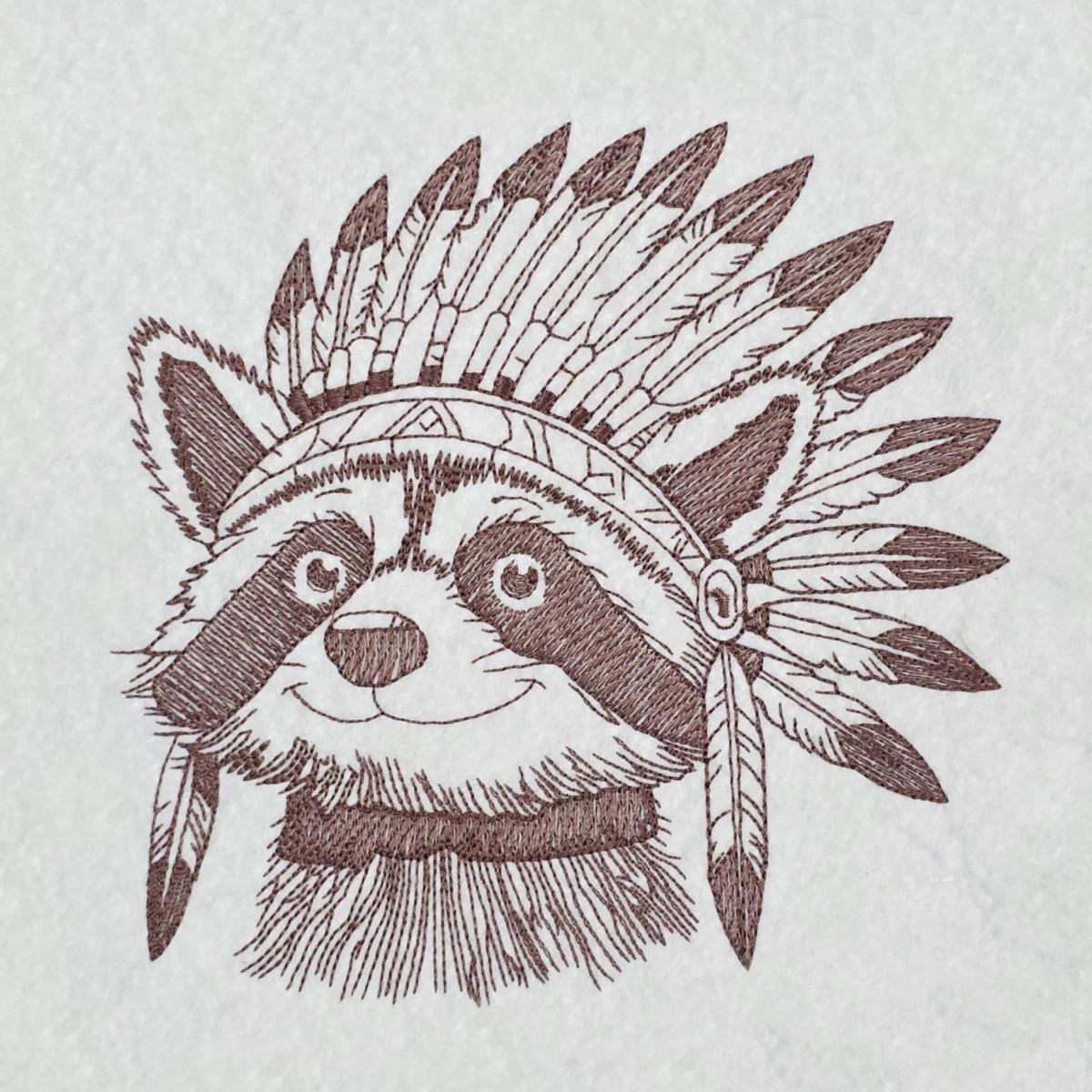
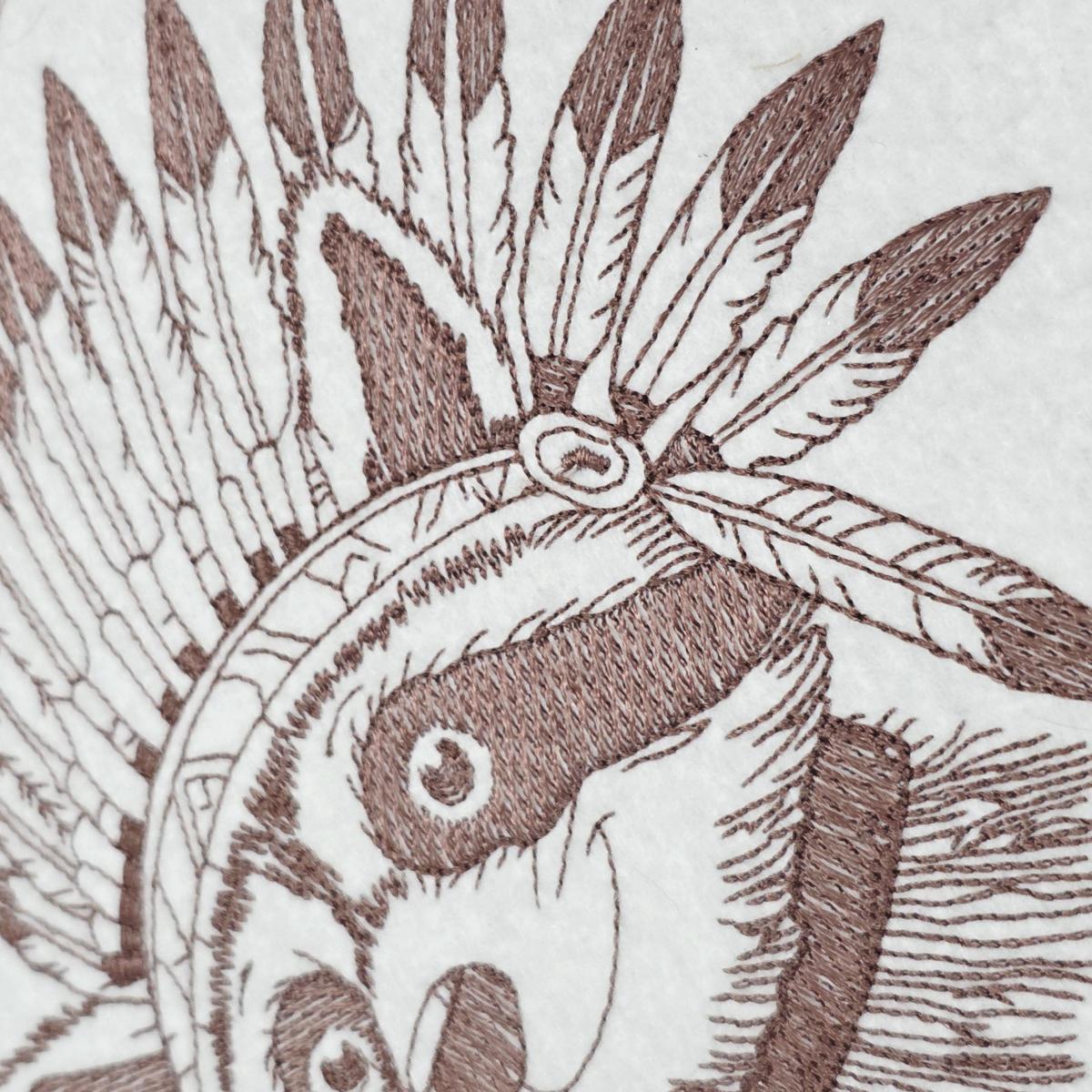
Feathered Raccoon Tribal Embroidery Design
💡 Where it can be embroidered
- On the back of a denim jacket
- A fun detail on a canvas tote bag
- As framed wall art for a rustic room
- In the corner of a cozy blanket
At a Glance
Size & stitch count
| # | Size (in) | Size (mm) | Stitches | Trims |
|---|---|---|---|---|
| 1 | 5.8 × 5.7 | 147 × 145 | 16,016 | 7 |
| 2 | 6.8 × 6.7 | 173 × 170 | 19,111 | 8 |
| 3 | 7.8 × 7.7 | 198 × 196 | 21,692 | 8 |
| 4 | 8.8 × 8.6 | 224 × 218 | 24,755 | 9 |
| 5 | 9.8 × 9.6 | 249 × 244 | 28,018 | 10 |
| 6 | 10.8 × 10.6 | 274 × 269 | 31,324 | 12 |
| 7 | 11.8 × 11.6 | 300 × 295 | 34,735 | 11 |
Unique Colors
Own a different thread? Pick up to 3 brands and the chart will show their codes alongside Madeira Rayon.
Codes marked ≈ have no published equivalent and use the closest colour. Always test a sample before stitching.
Color Change chart
| # | Madeira Rayon | Color | Color Name |
|---|---|---|---|
| 1 | 1000 | Emerald Black |
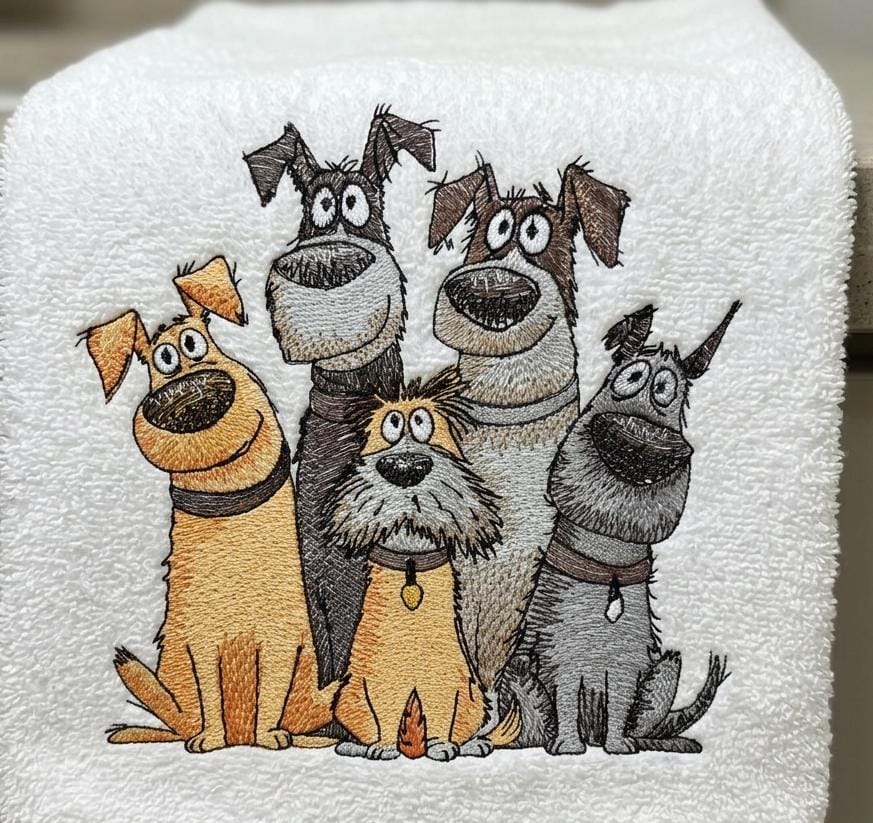
Tested this design on a towel and it turned out great. Love the design quality.
Goofy Dogs Squad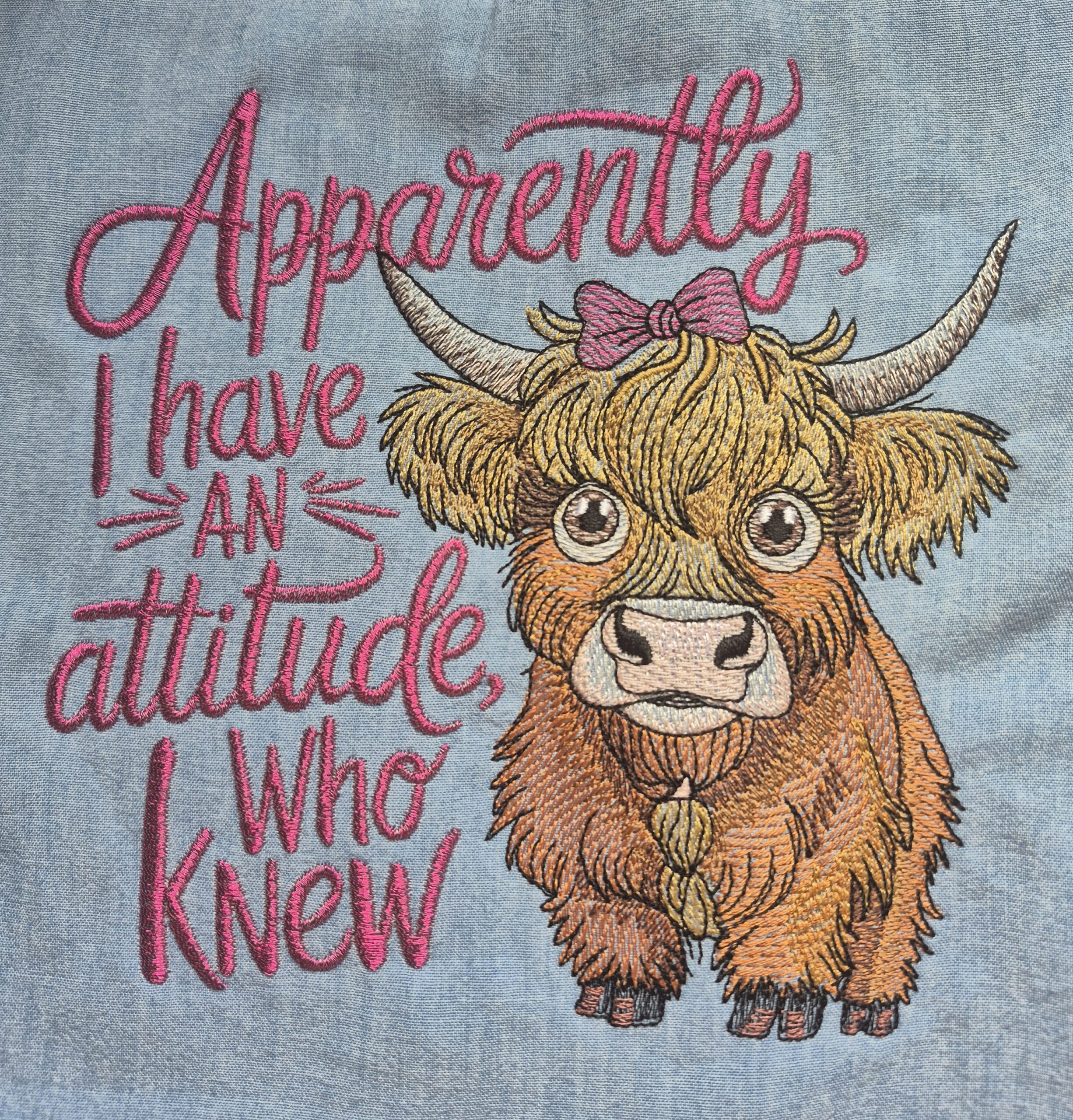
I love, love, love this design, its such a pleasure to sew it out. I changed the colour of the writing and matched the bow.
Attitude Highland Cow Funny Saying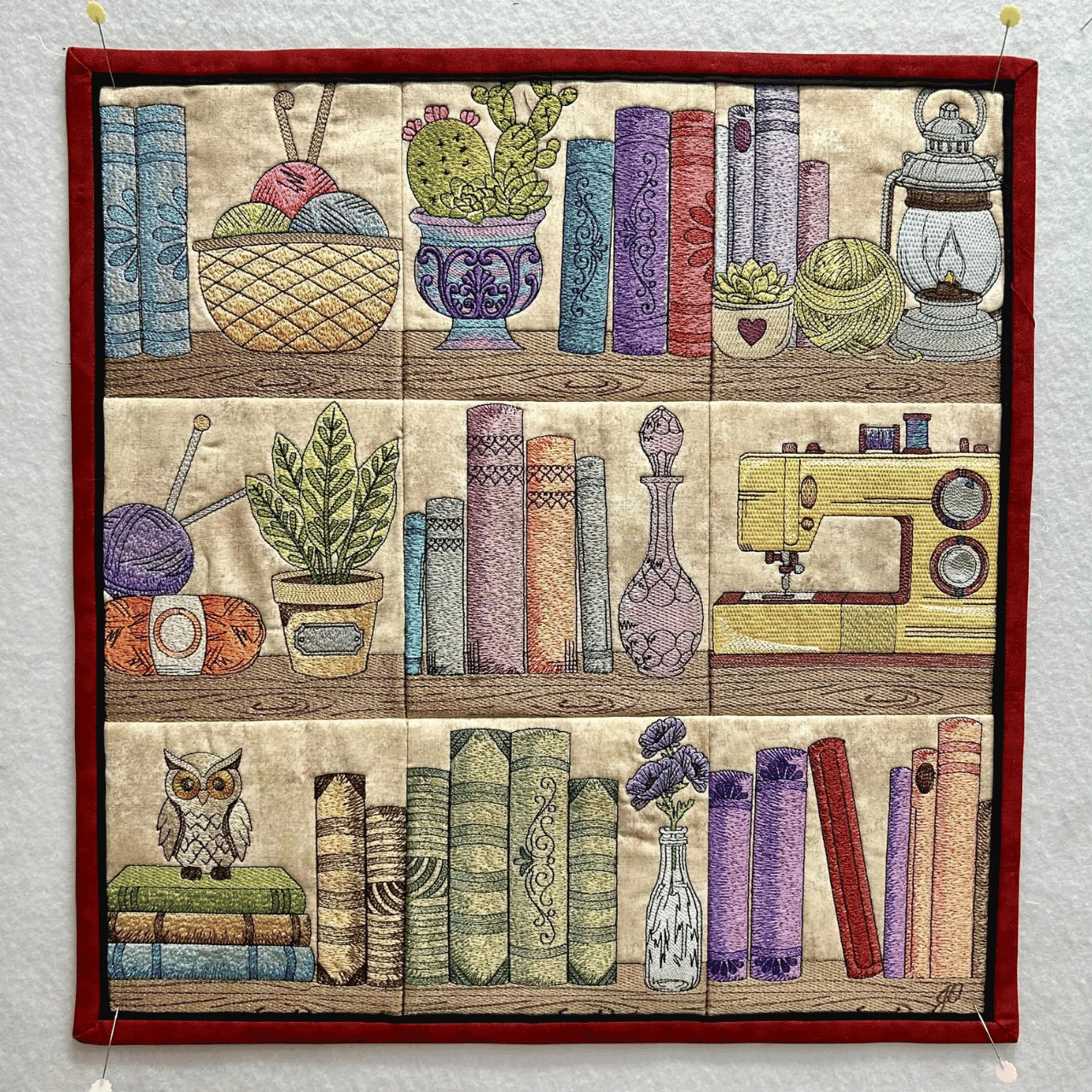
The Cozy Bookshelf Panel is amazing. Love the quality. Made few changes and it turned out great.
Cozy Bookshelf Panel Embroidery Design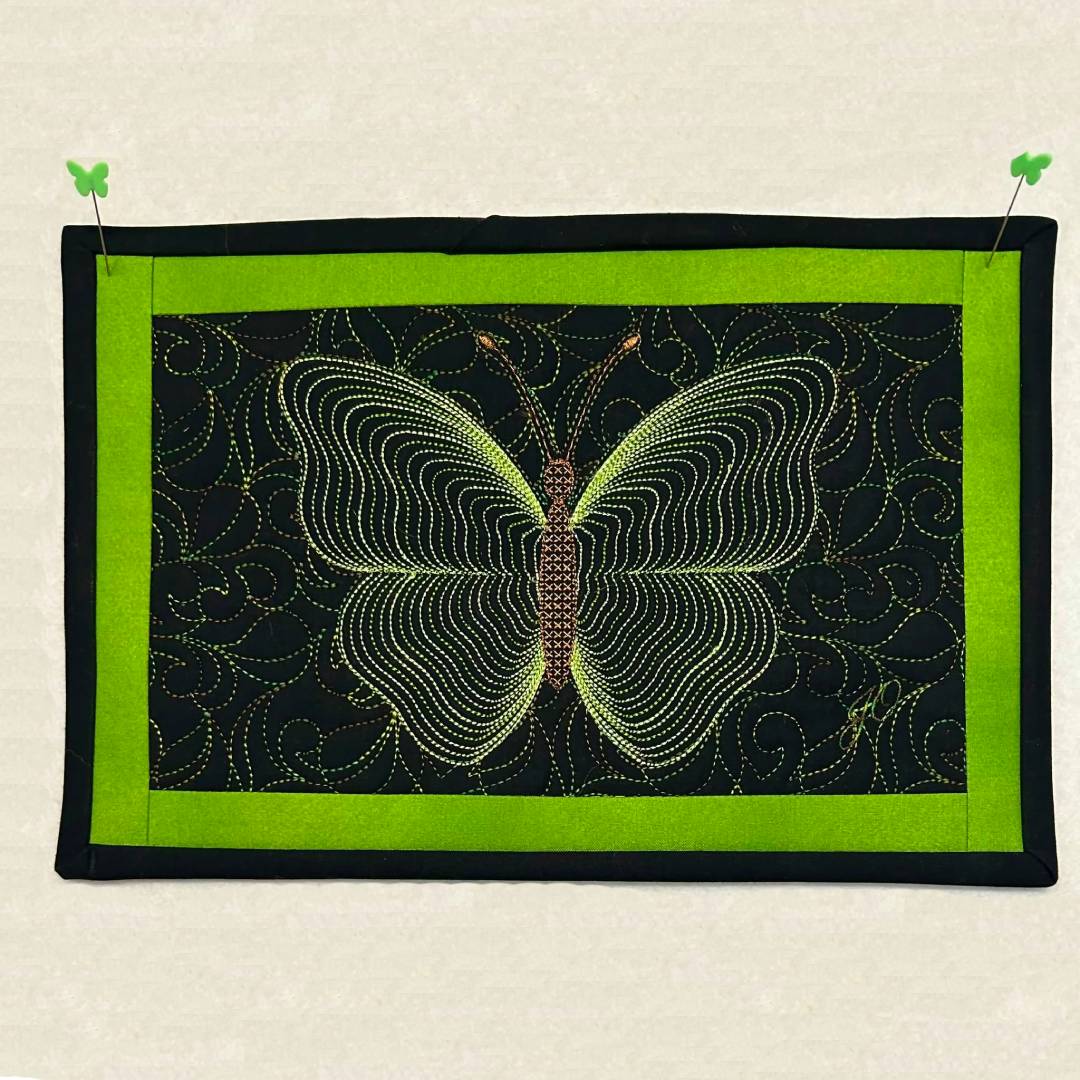
Love this beautiful design. Really enjoyed embroidering it.
Gold Teal Blending Butterfly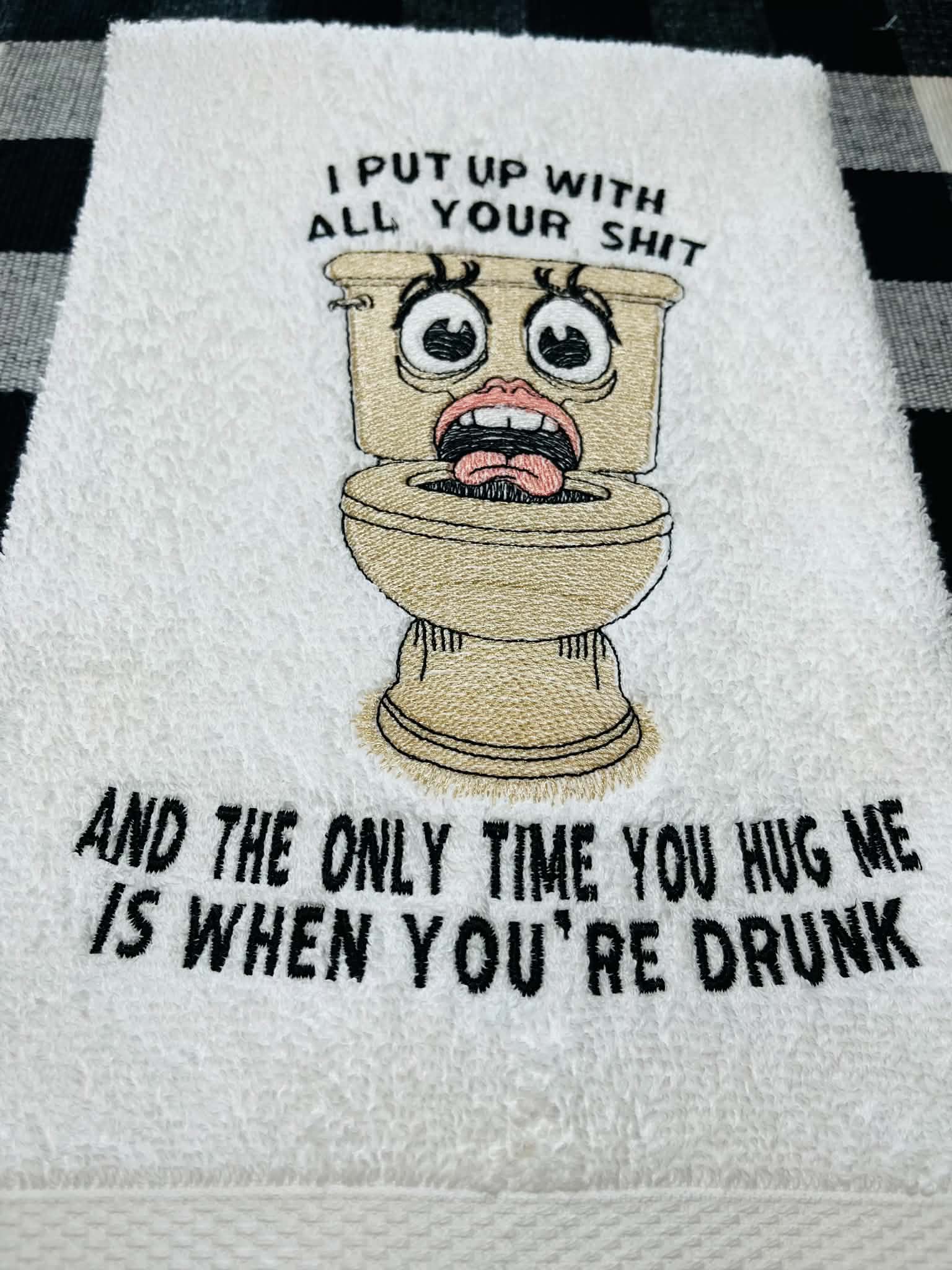
This is great for the guest bathroom. Easy, low stitch.
I Put Up With All Your Mess Quote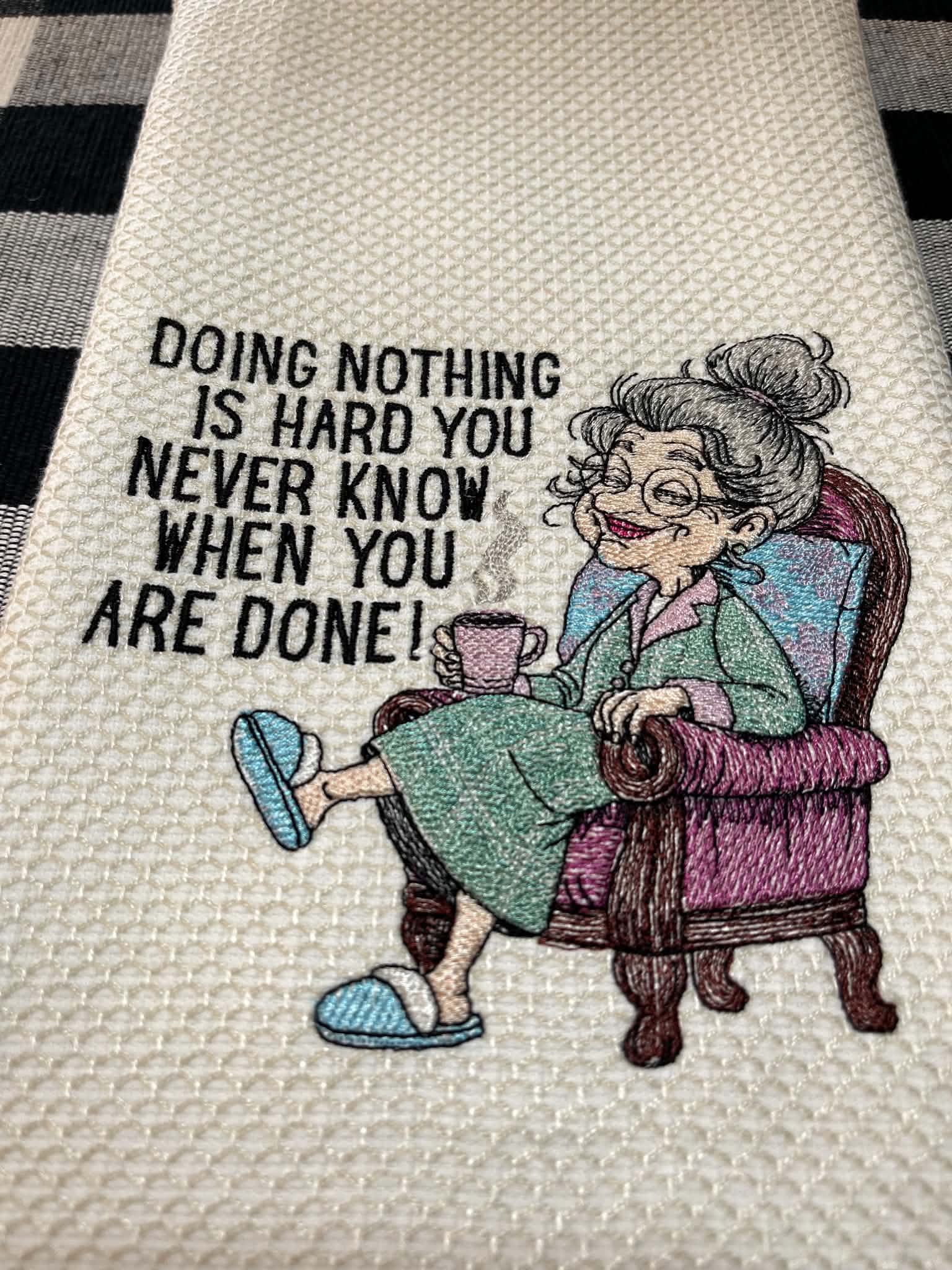
Love this design......not too many stitches which is what I look for.She is just fun and turned out great.
Cozy Grandma With CoffeeReally cute and comes out so nice. Making shirts for friends for Christmas.
Christmas Cats TreeDesign is really cute and embroiderys nice. Too many jump stitches but makes a nice Christmas shirt for friends.
Christmas Cats With Lights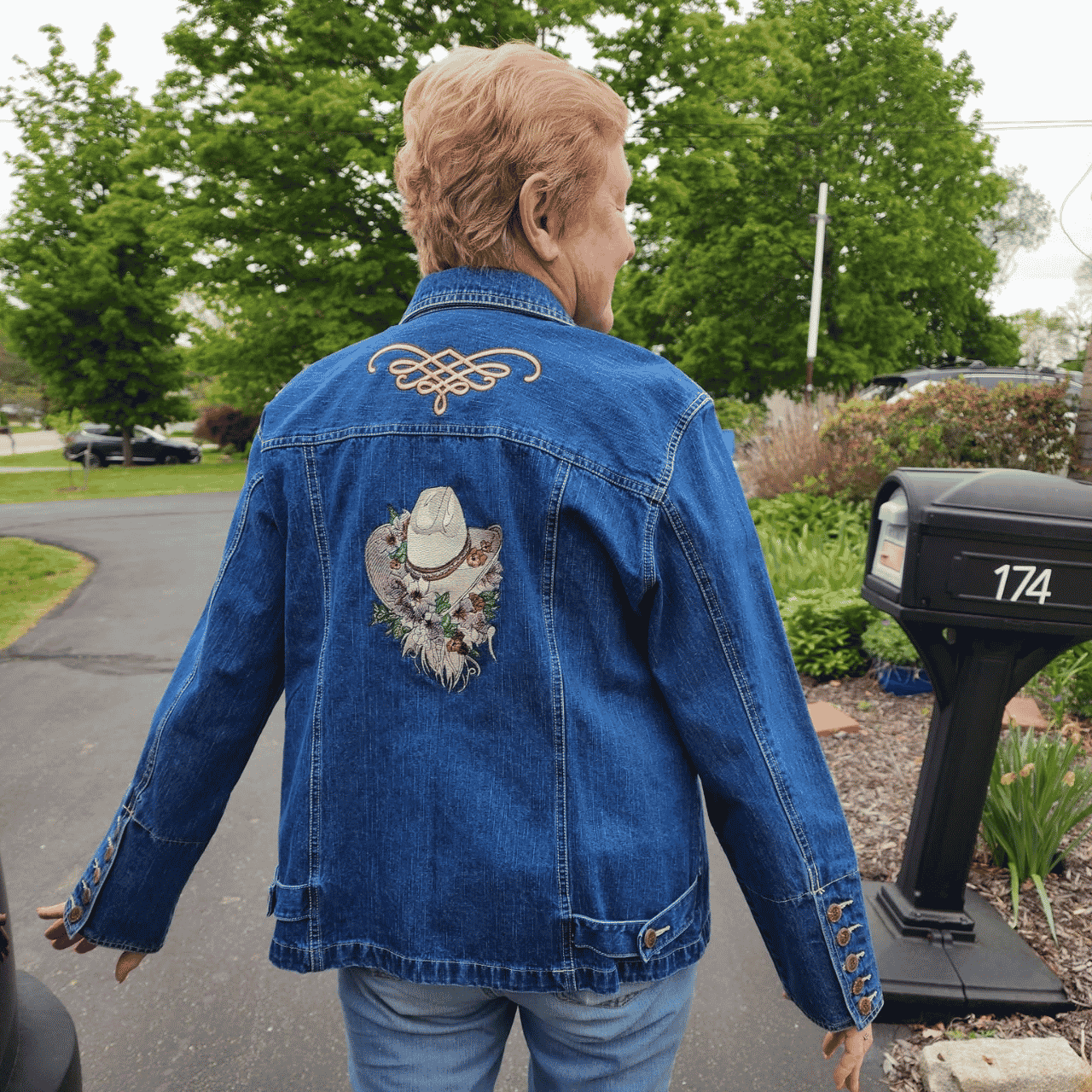
I absolutely loved the cowboy hat. I had a craft show coming up at a horse rescue farm. This looked like the perfect time to put it on…
Floral Cowboy Hat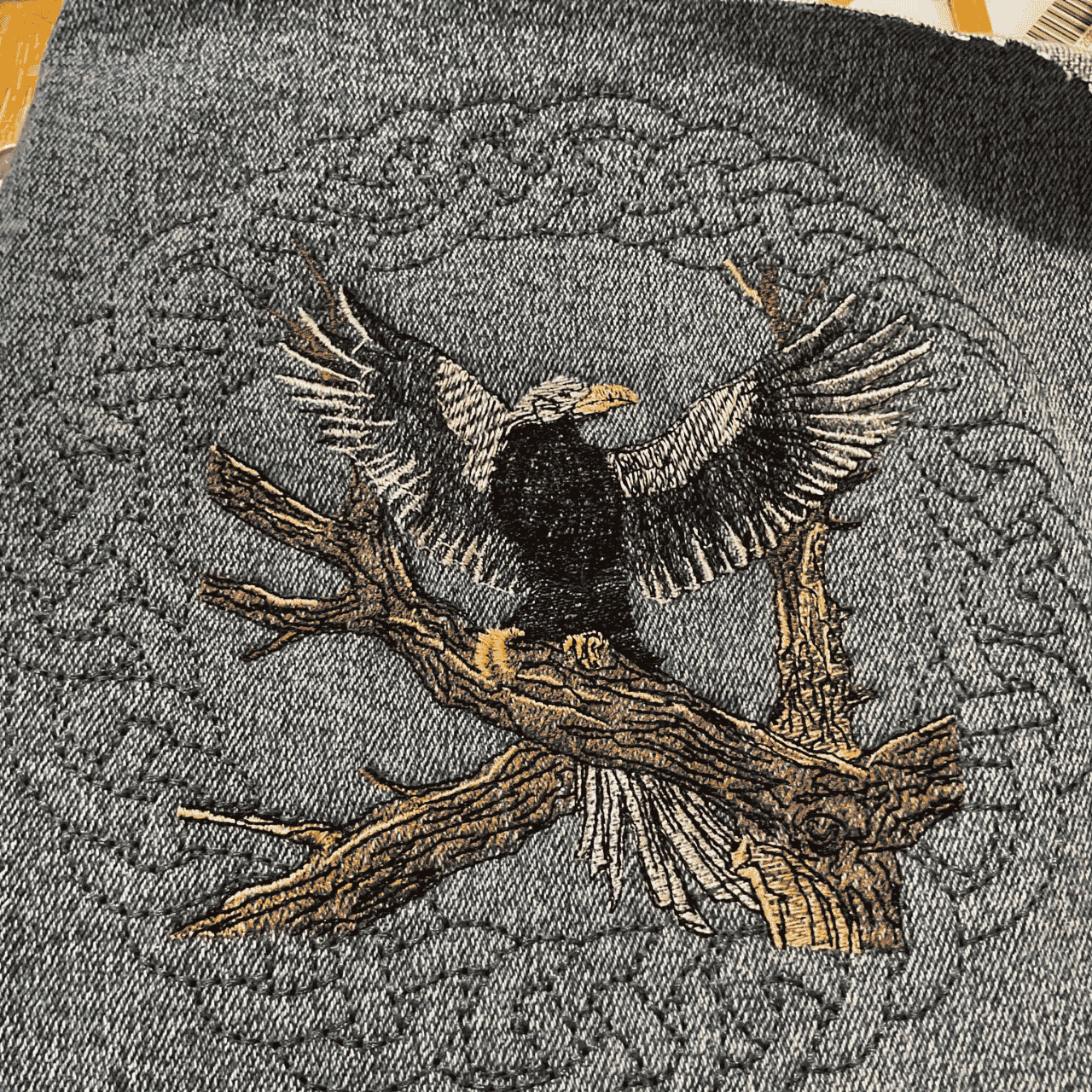
My eagle turned out great, next time I need to use a better background color. I thought it would pop out more on a denim jacket. Great quality…
Majestic Eagle With Open Wings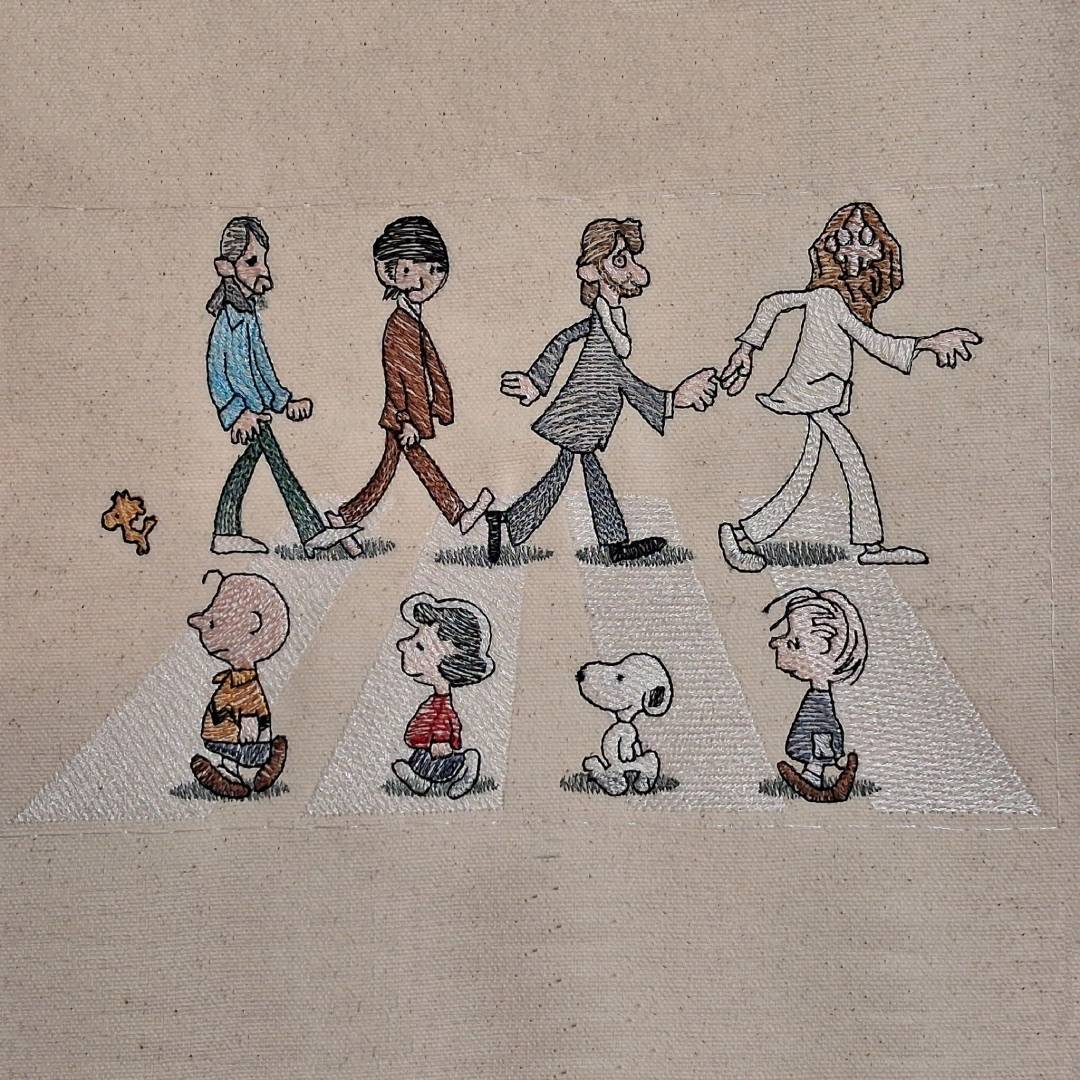
Finally got around to try this one. Stitched out perfectly. Love the design.
Nosey Dog And Friends Crossing Road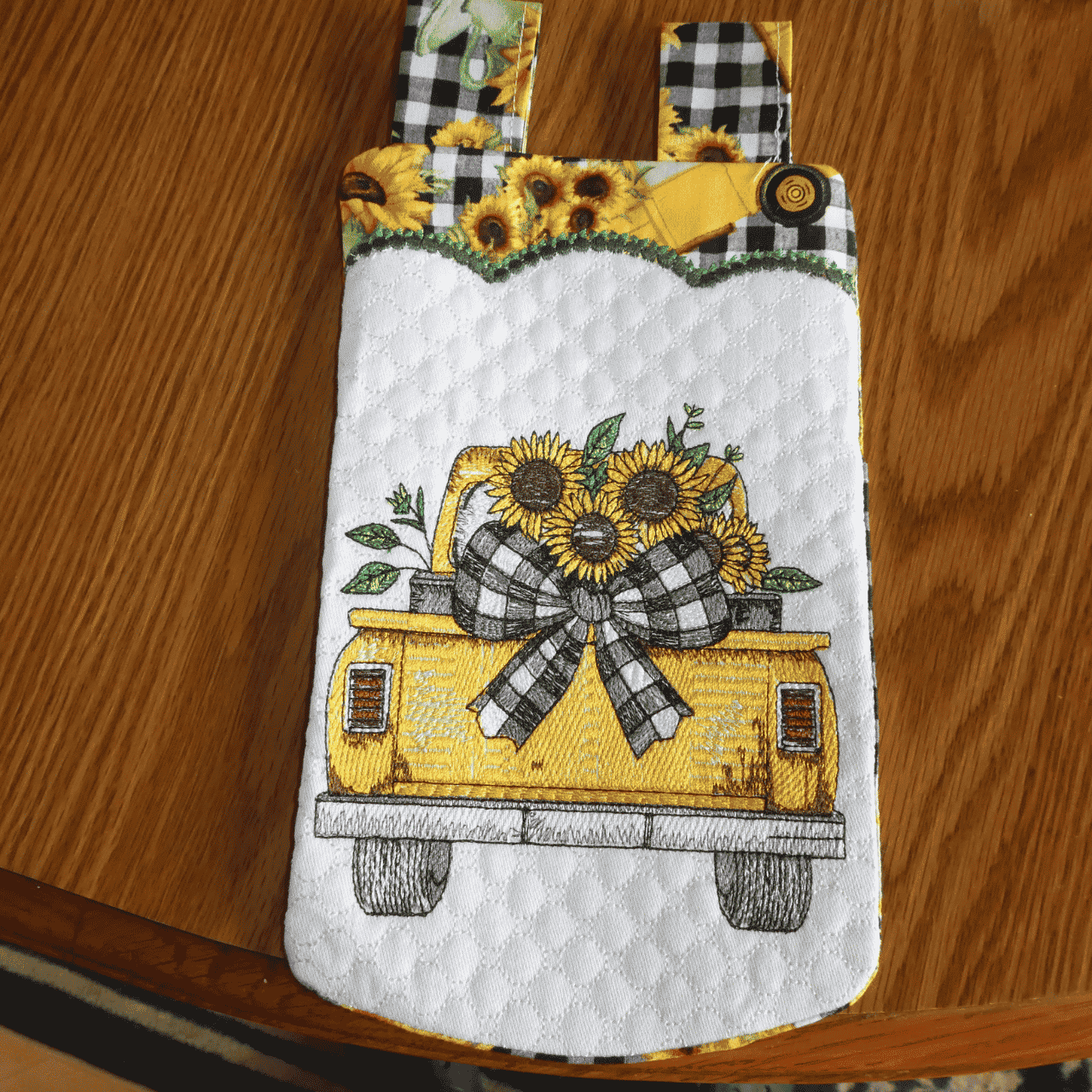
Had fun stitching this out. Love the quality of design. Stitched out perfectly.
Sunflower Retro TruckAwesome! Used this on a gift bag - the gift was a drone so the design was perfect. Stitched out perfectly. A winner.
Sassy Sparkles Donkey Quote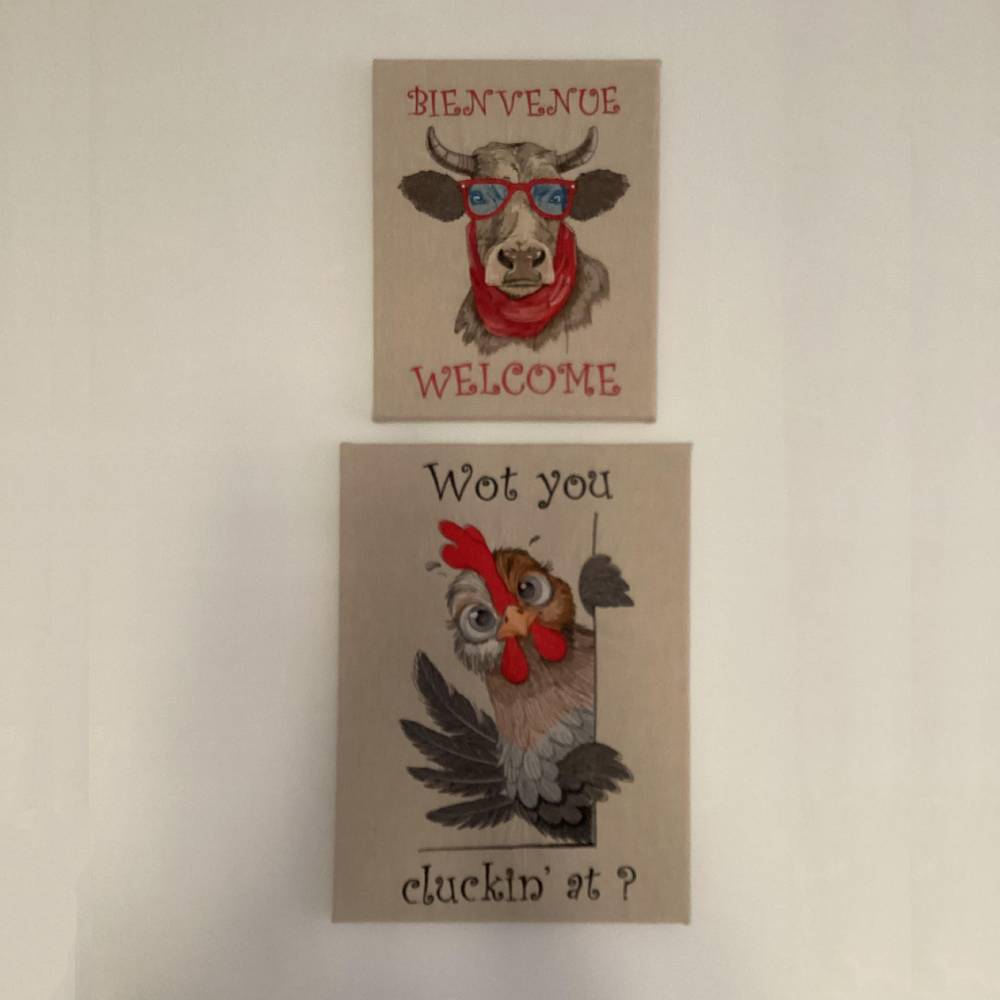
Love this design. We’re renovating at the moment, we wanted something different, I did these for opposite the front door.
Peeking Farm Chicken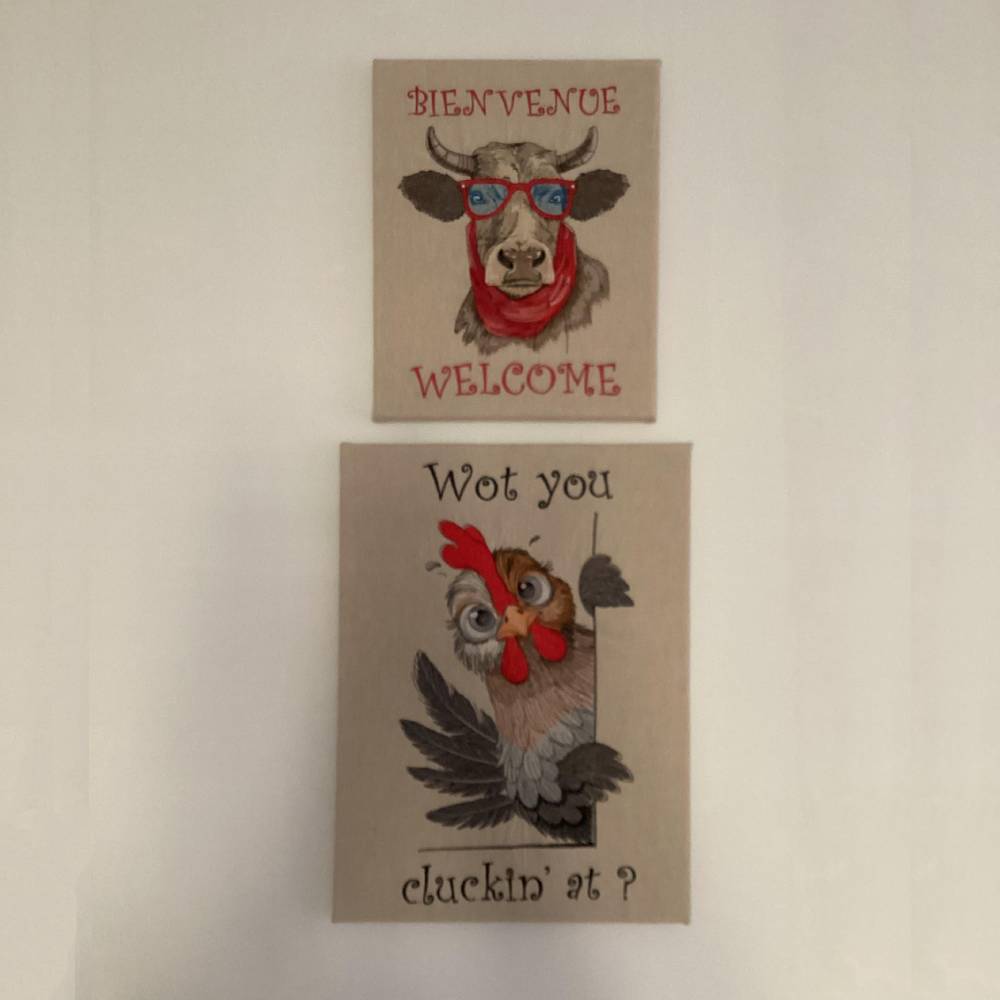
We’re renovating at the moment, we wanted something different, I did these for opposite the front door. Great design.
Funny Cow With Sunglasses
Write a review
Only customers who have purchased this design can leave a review.
Q1: What needle should I use for metallic threads with this design?
Pro Tip: If you're using metallic thread with Tribal Feathered Raccoon, use a specialized 80/12 or 90/14 metallic needle. This helps prevent thread breaks and keeps your stitching smooth.
Q2: What does "Light Density" mean for this embroidery pattern?
Quick Note: Light density means the stitches aren't packed too tightly. Your fabric color will show through a bit, giving a soft, flexible finish and a unique "watercolor" effect.
Q3: Can I download just one specific file format for my machine?
Yes, dear! In your "Account Downloads," click "DOWNLOAD FORMAT" next to the design. Then, pick your specific file type (like .PES or .JEF) from the dropdown.
Q4: How do I find the Tribal Feathered Raccoon design if I have many files?
Easy peasy! Just use the Search Bar in your "Account Downloads" section. You can search for Tribal Feathered Raccoon by name or product code.
Q5: What stabilizer is best for my embroidery projects?
For most stable fabrics, a medium-weight cut-away or tear-away stabilizer works great. Cut-away is good for stretchy fabrics, while tear-away suits stable wovens like denim.